Hospital logo
Klesiv District HospitalMedical care
Endoscopic diagnostics

FGDS (gastroscopy)at Klesiv District Hospital

This page gathers the key information for patients who may need FGDS: when doctors usually recommend the examination, how to prepare, how it is typically performed, and how residents of Klesiv community can contact the hospital.

FGDS helps assess the upper digestive tract and gives the doctor more information for further decisions. A dedicated page makes the service easier to find and helps patients understand what to expect before booking.

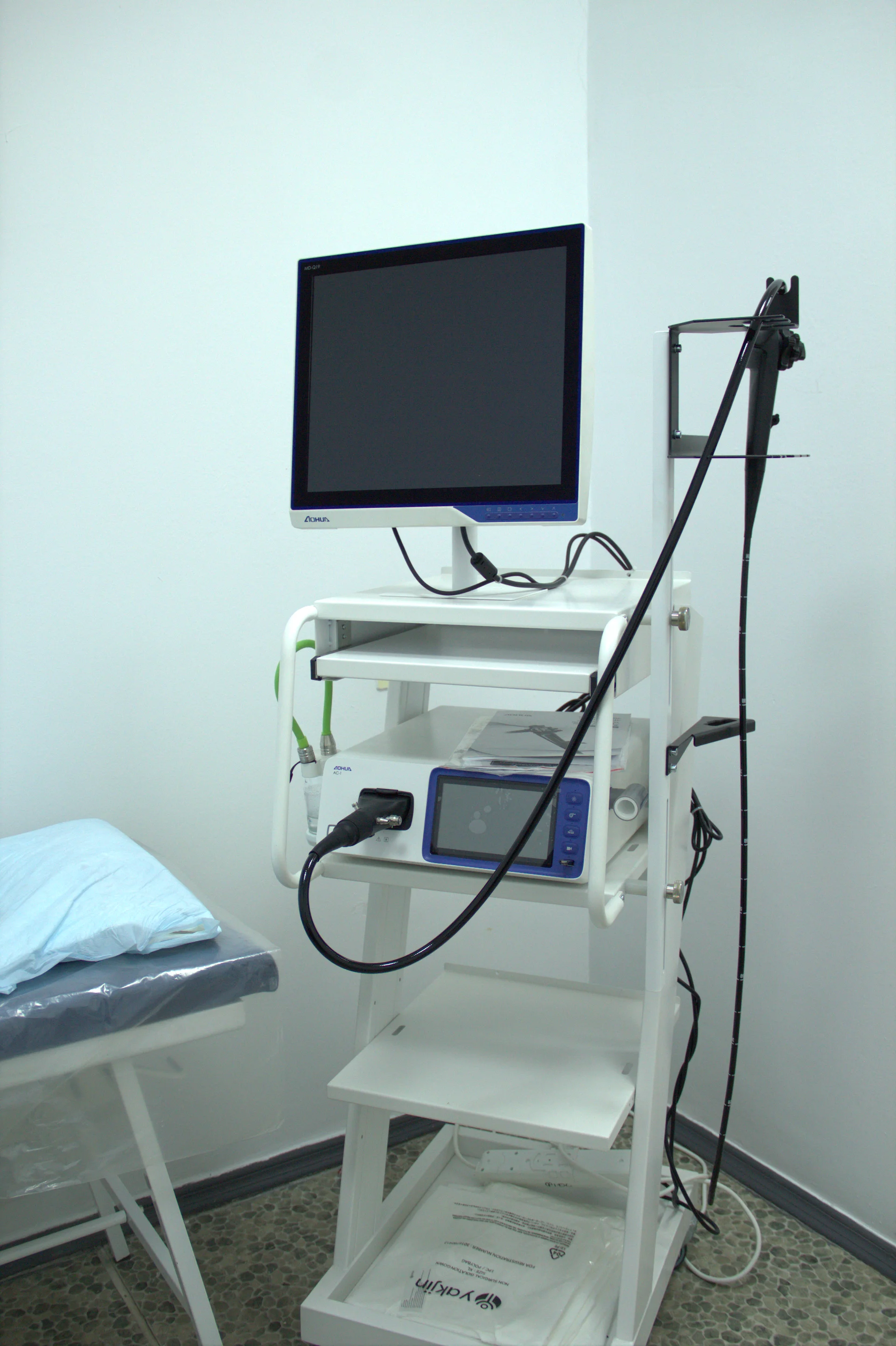
FGDS room at the hospital

What is useful to know before the examination

  • When FGDS may be recommended after symptoms or doctor consultation.
  • How to prepare so the examination can be performed correctly.
  • How the procedure usually goes in the hospital.

What patients most often ask about

The exact indications and booking conditions should always be confirmed during contact with the hospital, but patients most often ask about examinations for stomach pain, heartburn, discomfort after eating, suspected inflammation, and follow-up according to doctor recommendation.

  • complaints of stomach pain or discomfort
  • heartburn, nausea, or heaviness after eating
  • doctor recommendation after consultation or tests
  • follow-up examination according to treatment plan

When it is worth contacting the hospital

FGDS is usually considered when symptoms from the upper digestive tract need additional clarification. Patients often ask about the examination after consultation with a family doctor or specialist, when symptoms persist, or when follow-up is needed after treatment.

  • persistent stomach pain or discomfort
  • heartburn, nausea, or unpleasant sensations after meals
  • need to clarify findings after consultation
  • follow-up according to specialist recommendation
  • planned examination prescribed by a doctor

How to prepare for FGDS

Preparation details should always be clarified during booking, but in general FGDS requires arriving on an empty stomach. Patients may also be asked to bring previous conclusions, referrals, or information about medicines they take regularly.

  • clarify how many hours before the examination you should not eat
  • ask whether you may drink water before the procedure
  • bring previous conclusions or referrals if available
  • inform the team about medicines you take regularly

How the examination usually goes

FGDS is usually performed in a dedicated room with endoscopic equipment. The medical team explains the basic steps, helps the patient prepare for the examination, and the doctor performs the procedure to assess the mucosa and gather the information needed for further care decisions.

Patients often search for a specific examination rather than the hospital name itself. A dedicated FGDS page gives a clear local point of reference, explains the basics in simple language, and shortens the path from search to hospital contact.

Endoscopic diagnostics

How to book or clarify details

If you need FGDS, the easiest way is to leave a request on the website or contact the reception. During booking you can clarify preparation details, whether a referral is needed, and which time slots are currently available.

Why a separate page matters for patients from Klesiv and nearby communities

FAQ

Frequently asked questions

Do I need a referral for FGDS?

This depends on the care pathway and the specific case, so it is best to clarify it during booking or when contacting the reception.

Do I need to come on an empty stomach?

Usually yes, but the exact preparation rules should be confirmed during booking because they may depend on the examination plan and your situation.

Is this only for residents of Klesiv, or can people from nearby villages also contact the hospital?

Patients from Klesiv, nearby villages, and the wider community can contact the hospital. The page is intended for everyone looking for a clear local point of contact for FGDS, not only for residents of Klesiv itself.